

ギャラリー「時空」は
ソフトのトラブルにより更新できなくなっています。
こちらのWEBを使っています。

WEB
Gallery JIKU (時空)
陶磁による表現 Ceramic Art
1993~1995作
2026作 増設中(完成2028)
2030作 予定
①時空シリーズ ➁未知シリーズ ⓷ 増殖シリーズ
JIKU UNKNOWN 生命電子陶芸 PROLIFERATION 生命電子陶芸
「時間・空間・存在」 「生命の誕生」 「生命の増殖・分岐・展開」
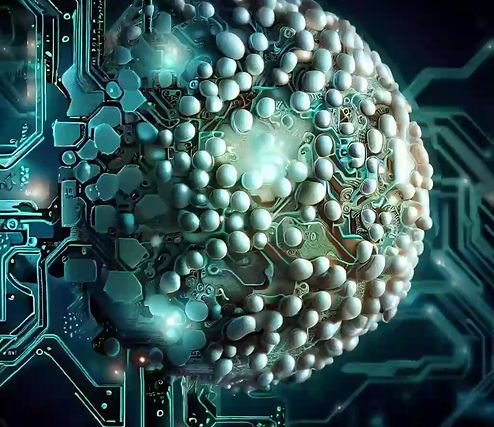

陶磁による立体造形の未来
ギャラリー時空は不具合のため現在こちらのWIXを使用しています。
スマホには対応していません。
The future of three-dimensional ceramic sculpting.
↓
生命電子陶芸
Life-Electronic Ceramics
Japanese Ceramic Art.
Bing Image Creator
未来的デジタル陶磁
"Videos are available on YouTube and through a general search."
Please search for "youtube Takashi Takamura" (on your smartphone or PC).
Alternatively, search for "Gallery Jiku Takamura" (on your PC).

高村 宜志
Site of Takashi Takamura.
Hometown: Studio: 栃木県益子町 (Mashiko, Tochigi Prefecture, Japan)
2026.09.29
デジタル陶芸とは
コンピューターを用いて形やデータを作る、いわば「デジタル技術のツールとしての活用」。
電子陶芸とは
電子部品、配線、LED、コンピューターなどが物理的に存在し、電子と陶磁が「共生」する新しい陶芸の構造。
生命電子陶芸とは
高村宜志が創始した新領域。土と電子の共生から「まだ存在しない未知の生命体が存在するのでは?」という想像を鑑賞者に突きつけ、未知の生命の可能性を探るラディカルな表現。
(対応していない。)
(完成。さらに各種制作中)
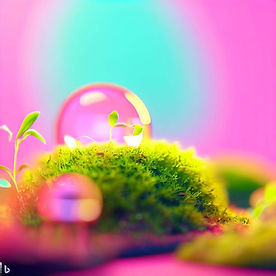
シリーズ未知 part1は完成。

.jpg)
.jpg)
.jpg)
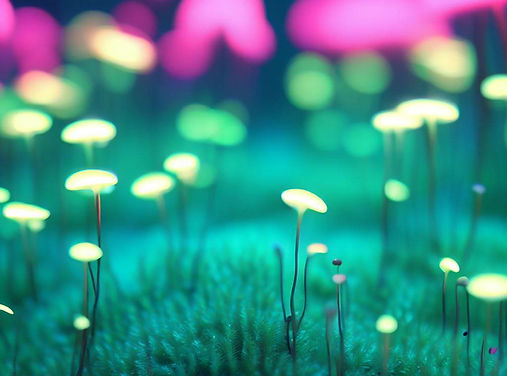
Bing Image Creator
.jpg)
作品は完成 All the works are complete
未発表作品・個展準備中

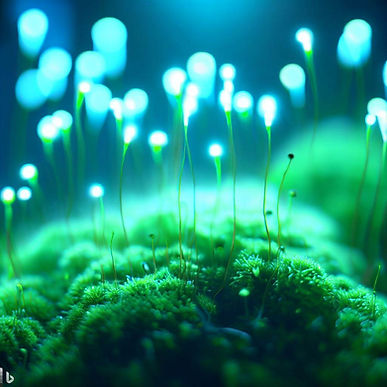
Bing Image Creator

文字をクリックしてください

観客が作品と対話するインタラクティブ体験
作品は数多くの大小の作品群(4~6cm作品400体。
大きなスペースの中で展開。
The work is an expansive collection of numerous small and large art pieces (about 400 pieces, 4–6 cm each), set within a large spatial environment.
未 知
土と電子から生まれる、未知の生命
UNKNOWN
覚醒の胎動
Unknown life emerging from earth and electronics.
The Quickening
生命電子陶芸|未知・シリーズ
Life-Electronic Ceramics | UNKNOWN Series

↓
「未知・シリーズ」コンセプト
高村宜志・Takashi Takamura
Ⅰ. 創造の動機――テクノロジーと生命
現代のテクノロジーは、かつて想像することさえ難しかった速度で進化しています。人工知能、コンピュータ、電子技術など、人間が生み出したものが自律的に判断し、反応し、振る舞う時代が始まっています。
その先には、やがて人間がこれまで「生命」と呼んできたものとは異なる、新たな生命体が誕生する可能性もあるのではないか。
私は、そうした未来への期待と同時に、そこに潜む危険性や未知なる可能性について思考を巡らせる中で、自らの内部から湧き上がる創造の衝動に導かれ、この造形物「未知・シリーズ」を生み出しました。
私にとってこの作品は、単に電子技術を陶芸に取り入れる試みではありません。
土という原始的な物質と電子という現代の存在を結びつけることで、まだこの世界に存在しない生命体を想像し、具現化する試みです。
私は陶を器としてではなく、未知の生命体を誕生させるための媒体として用います。
この考えを、私は**「生命電子陶芸」**と呼びます。
Ⅱ. 有機と無機の融合――生命の構造
「未知・シリーズ」の造形は、数珠状、節状に連なる蔓植物を思わせる有機的な形態をとっています。
その中心には、生命の源としての**「コア」**を配置しています。
コアにはマイコンボードを組み込んだ小型の基板が装着され、そこから多数のジャンパー線が伸びています。
これらの配線は、あえて外部から見えるように配置しています。
それは単なる電子回路ではなく、生命体の内部を走る血管や神経を想起させるためです。
焼成された陶磁器は、土と炎から生まれた物質です。
その有機的な造形の内部に、基板という人工的な「頭脳」と電子回路を組み込み、両者を結びつける。
そこに私は、有機と無機、自然と人工、過去と未来の境界が融合する姿を見ています。
さらに、造形の各所には心臓の鼓動を思わせる微かな光を配置し、触手の先端などにも光を設けています。
その光は、PWM(パルス幅変調)によってゆっくりと明滅します。
一定のリズムで単純に点滅するのではなく、明るさが変化することで、あたかも呼吸し、鼓動しているかのような生命感を生み出します。
造形内部を流れる電流と、そこから生まれる光や音によって、作品全体に神経が張り巡らされ、内部で何かが活動しているような感覚を与えています。
Ⅲ. 光と音――未知の生命の「呼吸」と「声」
「未知・シリーズ」において、電子は単なる機能ではありません。
電流は生命体の内部を流れる信号となり、光はその生命の反応となります。
そして音は、その生命体が外部へ発する**「声」**です。
作品に組み込まれた電子回路によって、光がゆっくりと明滅し、音が発生する。
鑑賞者は、その現象を見たり聴いたりすることで、目の前にある陶磁造形を単なる「物体」ではなく、何かが内部で活動している存在として感じることになります。
私はそこに、生命の本質の一つである**「振る舞い」**を見ています。
生きているように見える。
反応しているように感じる。
しかし、それが本当に生命なのか、機械なのか、あるいはそのどちらでもないのかは分からない。
だからこそ、この作品群を**「未知」**と名付けました。
Ⅳ. 土・炎・電子――異なる時間の融合
造形物の外面は、深遠な織部釉によって覆われています。
酸化焼成と還元焼成を繰り返し、120時間以上に及ぶ長時間の焼成を経ることで、初めてこの怪しげで深い緑色が現れます。
私は、この色の中にしばしば、植物や鉱物にも似た、根源的な生命の存在を感じています。
一部の造形には鉄絵を施し、焼成後に深い赤味を帯びさせています。
それは生命体の内部に流れる血液やエネルギー、あるいは内部から発生する熱量を想起させるものです。
ただし、「未知・シリーズ1」には鉄絵を使用していません。
土は、何万年、何億年という地球の時間を内包しています。
一方、電子信号は極めて短い時間の中で変化します。
私は、土と炎が持つ長大な時間と、電子が持つ瞬間的な時間を一つの造形の中に共存させることにも意味を感じています。
そこに、生命という存在が持つ時間の不思議を重ねています。
Ⅴ. 生命電子陶芸――陶芸の新たな可能性
私は、陶芸を単に器をつくるための技術として捉えていません。
土、炎、釉薬という古くから存在する素材と技法に、現代の電子技術を結びつけることで、陶芸にはまだ開かれていない新たな領域があると考えています。
しかし、私にとって電子技術そのものが目的なのではありません。
電子は、未知の生命を表現するための一つの手段です。
陶は形をつくり、電子はその内部に動きを与える。
光は生命の反応となり、音は生命の声となる。
そして、それらが一体となることで、単なる陶磁造形とは異なる、新しい存在が生まれる。
私はこの領域を、**「生命電子陶芸」**と呼びます。
これは、陶芸とコンピュータ技術を単純に組み合わせたものではありません。
土と電子が出会うことで、生命とは何か、人工物とは何か、そして未来に生まれる存在とは何かを問い直すための陶芸です。
Ⅵ. 未知の未来へ
現在、私が使用している電子技術は、OSを搭載しない小型のマイコンボードを中心とした、まだ初期的なものです。
私自身も電子技術やコンピュータについて、決して高度な専門家ではありません。
しかし、私はそこに限界ではなく、むしろ可能性を感じています。
高度な技術を完全に理解してから作品をつくるのではなく、陶芸家としての感覚から電子という未知の領域へ踏み込み、試行錯誤しながら新しい存在をつくっていく。
その過程そのものが、私にとって重要な創造です。
これから先、コンピュータ、人工知能、ロボット、生命科学などの技術は、さらに大きく進化していくでしょう。
そのとき、人間がつくるものと生命との境界は、今よりもさらに曖昧になっているかもしれません。
私はその未来を予測するのではなく、陶という素材を通して、その未来に生まれるかもしれない**「未知の生命」**を想像したい。
そして、若い世代のクリエイターたちが、既存の素材やジャンルの境界を越え、新しい表現を生み出していくことを期待しています。
生命電子陶芸 宣言
土は、焼かれた瞬間に終わる素材ではない。
土は電子と出会うことで、時間を宿し、光を放ち、音を奏で、生命のように振る舞う。
私は陶を器としてではなく、未知の生命体を誕生させる媒体として用いる。
土と電子、有機と無機、自然と人工。
その境界に生まれるものを、私はまだ名前のない存在として見つめている。
それは生命なのか、機械なのか、あるいはそのどちらでもないのか。
まだ分からない。
だから私は、この作品群を
「生命電子陶芸(未知・シリーズ)」
と呼ぶ。
Unknown life beginning to emerge from clay and electronics —
Bio-Electronic Ceramics
未 知
UNKNOWN
土と電子から生まれはじまる未知の生命かー
生命電子陶芸
作品発表準備中(増設中2026年)


作品サイズ、すべて小作品。それらの集合体で展開。この動画はほんの一場面

作品(未知)のプログラムは「C言語 」と「C++」ベースにしたプログラミング言語を使用しています。
_JPG.jpg)
小学生生命電子陶芸教育対応作品
↓
小学生出前授業
UNKNOWN Series — Concept
Takashi Takamura
I. The Motivation for Creation — Technology and Life
Contemporary technology is evolving at a speed that was once difficult even to imagine. Artificial intelligence, electronic technology, nanotechnology, and other technologies created by human beings are entering an era in which they can autonomously make judgments, respond, and reproduce.
Beyond this development, might there eventually emerge entirely new forms of “microscopic life” unlike anything that human beings have ever called “life”?
As I contemplated both the possibilities and expectations of such a future, as well as the uncontrollable dangers and unknown potential hidden within it, I was guided by an inner impulse to create and gave form to the “UNKNOWN Series.”
Although far too small to be fully perceived by the naked eye, these life forms may nevertheless gradually and inevitably infiltrate the world. The forms of the UNKNOWN Series are their enlarged and visualized representations, allowing human beings to recognize and observe what would otherwise remain beyond our perception.
For me, this work is not simply an attempt to incorporate electronic technology into ceramics. It is an attempt to imagine and give form to life forms that do not yet exist in this world by bringing together earth, an ancient primordial material, and electronics, a presence of the modern age. I use clay not as a vessel, but as a medium through which unknown life forms may come into being.
I call this concept “Bio-Electronic Ceramics.”
II. The Fusion of Organic and Inorganic — The Structure of Life
The forms of the UNKNOWN Series take on organic shapes reminiscent of vines growing in bead-like, segmented formations.
At their center is a “core,” conceived as the source of life.
A small circuit board containing a microcontroller is embedded within the core, from which numerous jumper wires extend outward.
These wires are intentionally exposed to the outside.
They are not merely electronic circuits; they are intended to evoke blood vessels and nerves running through the interior of a living organism.
Fired ceramics are materials born from earth and fire.
By embedding an artificial “brain” in the form of a circuit board and electronic circuitry within these organic forms, I bring the two together.
In this fusion, I see the boundaries between organic and inorganic, nature and artificiality, the past and the future, coming together.
Furthermore, subtle lights reminiscent of a beating heart are placed throughout the forms, with additional lights at the tips of tentacle-like structures.
These lights slowly pulse and fade through PWM (Pulse Width Modulation).
Rather than blinking at a fixed, simple rhythm, their changing brightness creates a sense of life, as if the forms were breathing and their hearts were beating.
The electric current flowing through the interior of the forms, together with the light and sound it generates, creates the sensation that nerves are spread throughout the entire work and that something is active within.
III. Light and Sound — The “Breath” and “Voice” of Unknown Life
In the UNKNOWN Series, electronics are not merely functional.
Electric current becomes a signal flowing through the interior of the life form, while light becomes a response of that life.
And sound becomes the “voice” that the life form sends out into the world.
The electronic circuitry incorporated into the work causes the lights to slowly pulse and fade, while generating sound.
Through seeing and hearing these phenomena, the viewer may come to experience the ceramic form before them not simply as an object, but as something within which an unknown activity is taking place.
In this, I see one aspect of the essence of life: “behavior.”
It appears to be alive.
It seems to respond.
Yet it is impossible to know whether it is truly alive, a machine, or something that is neither.
That is precisely why I named this body of work “UNKNOWN.”
IV. Earth, Fire, and Electronics — The Fusion of Different Times
The outer surfaces of the forms are covered with a deep Oribe glaze.
Through repeated oxidation and reduction firings, followed by a prolonged firing process lasting more than 120 hours, this mysterious, deep green emerges.
In this color, I often sense a primordial presence of life, reminiscent at times of plants or minerals.
Some of the forms are decorated with iron painting, which develops a deep reddish tone after firing.
This evokes blood or energy flowing within a life form, or perhaps the heat generated from within.
However, iron painting is not used on UNKNOWN Series No. 1.
Earth contains the immense timescale of the planet itself—tens of millions, even hundreds of millions of years.
Electronic signals, by contrast, change within extremely brief moments.
I find meaning in allowing the immense time embodied in earth and fire to coexist within a single form with the instantaneous time of electronics.
In this coexistence, I place my own sense of the mystery of time within life.
V. Bio-Electronic Ceramics — A New Possibility for Ceramics
I do not regard ceramics simply as a technique for making vessels.
By bringing together earth, fire, and glaze—materials and techniques that have existed since ancient times—with contemporary electronic technology, I believe that ceramics still contain unexplored possibilities and new territories.
However, electronic technology itself is not my objective.
Electronics are one means of expressing unknown life.
Clay creates the form, while electronics give movement to what lies within.
Light becomes the response of life, and sound becomes its voice.
When these elements come together, a new kind of presence emerges—something different from a mere ceramic object.
I call this field “Bio-Electronic Ceramics.”
This is not simply a combination of ceramics and computer technology.
It is a form of ceramics through which the encounter between earth and electronics allows us to reconsider what life is, what an artificial object is, and what kinds of beings may emerge in the future.
VI. Toward an Unknown Future
The electronic technology I currently use is still at an early stage, centered primarily on small microcontroller boards without operating systems.
I myself am by no means an expert in electronics or computers.
Yet I see in this not a limitation, but rather a possibility.
Rather than first mastering advanced technology and then creating works, I enter the unknown realm of electronics through my sensibility as a ceramic artist, experimenting through trial and error as I create new forms of existence.
That process itself is an essential part of my creative practice.
From this point forward, technologies such as computers, artificial intelligence, robotics, and life sciences will continue to evolve dramatically.
As they do, the boundary between what human beings create and what we call life may become even more ambiguous than it is today.
Rather than attempting to predict that future, I want to imagine, through clay, the “unknown life” that may emerge within it.
And I hope that younger generations of creators will cross the boundaries between established materials and disciplines and create new forms of expression.

作品は数多くの大小の作品群。
4~6cm約300体。
大きなスペースで展開予定。
Ⅰ. 創造の動機――テクノロジーと生命
現代のテクノロジーは、かつて想像することさえ難しかった速度で進化しています。人工知能、電子技術、ナノテクノロジーなど、人間が生み出した技術が自律的に判断し、反応し、増殖する時代が始まっています。
その先には、やがて人間がこれまで「生命」と呼んできたものとは異なる、まったく新しい「ミクロの生命体」が誕生する可能性もあるのではないか。
私は、そうした未来への期待と同時に、そこに潜む制御不能な危険性や未知なる可能性について思考を巡らせる中で、自らの内部から湧き上がる創造の衝動に導かれ、この造形物「未知・シリーズ」を生み出しました。
肉眼では捉えきれないほどミクロでありながら、確実に世界へ侵食していくであろうその生命体を、人間が認識・観察できるように拡大し、可視化した姿がシリーズ「未知」の造形群なのです。
私にとってこの作品は、単に電子技術を陶芸に取り入れる試みではありません。土という原始的な物質と電子という現代の存在を結びつけることで、まだこの世界に存在しない生命体を想像し、具現化する試みです。私は陶を器としてではなく、未知の生命体を誕生させるための媒体として用います。
この考えを、私は**「生命電子陶芸」**と呼びます。
Ⅱ. 有機と無機の融合――生命の構造
「未知・シリーズ」の造形は、数珠状、節状に連なる蔓植物を思わせる有機的な形態をとっています。
その中心には、生命の源としての**「コア」**を配置しています。
コアにはマイコンボードを組み込んだ小型の基板が装着され、そこから多数のジャンパー線が伸びています。
これらの配線は、あえて外部から見えるように配置しています。
それは単なる電子回路ではなく、生命体の内部を走る血管や神経を想起させるためです。
焼成された陶磁器は、土と炎から生まれた物質です。
その有機的な造形の内部に、基板という人工的な「頭脳」と電子回路を組み込み、両者を結びつける。
そこに私は、有機と無機、自然と人工、過去と未来の境界が融合する姿を見ています。
さらに、造形の各所には心臓の鼓動を思わせる微かな光を配置し、触手の先端などにも光を設けています。
その光は、PWM(パルス幅変調)によってゆっくりと明滅します。
一定のリズムで単純に点滅するのではなく、明るさが変化することで、あたかも呼吸し、鼓動しているかのような生命感を生み出します。
造形内部を流れる電流と、そこから生まれる光や音によって、作品全体に神経が張り巡らされ、内部で何かが活動しているような感覚を与えています。
Ⅲ. 光と音――未知の生命の「呼吸」と「声」
「未知・シリーズ」において、電子は単なる機能ではありません。
電流は生命体の内部を流れる信号となり、光はその生命の反応となります。
そして音は、その生命体が外部へ発する**「声」**です。
作品に組み込まれた電子回路によって、光がゆっくりと明滅し、音が発生する。
鑑賞者は、その現象を見たり聴いたりすることで、目の前にある陶磁造形を単なる「物体」ではなく、何かが内部で活動している存在として感じることになります。
私はそこに、生命の本質の一つである**「振る舞い」**を見ています。
生きているように見える。
反応しているように感じる。
しかし、それが本当に生命なのか、機械なのか、あるいはそのどちらでもないのかは分からない。
だからこそ、この作品群を**「未知」**と名付けました。
Ⅳ. 土・炎・電子――異なる時間の融合
造形物の外面は、深遠な織部釉によって覆われています。
酸化焼成と還元焼成を繰り返し、120時間以上に及ぶ長時間の焼成を経ることで、初めてこの怪しげで深い緑色が現れます。
私は、この色の中にしばしば、植物や鉱物にも似た、根源的な生命の存在を感じています。
一部の造形には鉄絵を施し、焼成後に深い赤味を帯びさせています。
それは生命体の内部に流れる血液やエネルギー、あるいは内部から発生する熱量を想起させるものです。
ただし、「未知・シリーズ1」には鉄絵を使用していません。
土は、何万年、何億年という地球の時間を内包しています。
一方、電子信号は極めて短い時間の中で変化します。
私は、土と炎が持つ長大な時間と、電子が持つ瞬間的な時間を一つの造形の中に共存させることにも意味を感じています。
そこに、生命という存在が持つ時間の不思議を重ねています。
Ⅴ. 生命電子陶芸――陶芸の新たな可能性
私は、陶芸を単に器をつくるための技術として捉えていません。
土、炎、釉薬という古くから存在する素材と技法に、現代の電子技術を結びつけることで、陶芸にはまだ開かれていない新たな領域があると考えています。
しかし、私にとって電子技術そのものが目的なのではありません。
電子は、未知の生命を表現するための一つの手段です。
陶は形をつくり、電子はその内部に動きを与える。
光は生命の反応となり、音は生命の声となる。
そして、それらが一体となることで、単なる陶磁造形とは異なる、新しい存在が生まれる。
私はこの領域を、**「生命電子陶芸」**と呼びます。
これは、陶芸とコンピュータ技術を単純に組み合わせたものではありません。
土と電子が出会うことで、生命とは何か、人工物とは何か、そして未来に生まれる存在とは何かを問い直すための陶芸です。
Ⅵ. 未知の未来へ
現在、私が使用している電子技術は、OSを搭載しない小型のマイコンボードを中心とした、まだ初期的なものです。
私自身も電子技術やコンピュータについて、決して専門家ではありません。
しかし、私はそこに限界ではなく、むしろ可能性を感じています。
高度な技術を完全に理解してから作品をつくるのではなく、陶芸家としての感覚から電子という未知の領域へ踏み込み、試行錯誤しながら新しい存在をつくっていく。
その過程そのものが、私にとって重要な創造です。
これから先、コンピュータ、人工知能、ロボット、生命科学などの技術は、さらに大きく進化していくでしょう。
そのとき、人間がつくるものと生命との境界は、今よりもさらに曖昧になっているかもしれません。
私はその未来を予測するのではなく、陶という素材を通して、その未来に生まれるかもしれない**「未知の生命」**を想像したい。
そして、若い世代のクリエイターたちが、既存の素材やジャンルの境界を越え、新しい表現を生み出していくことを期待しています。

授業テーマ 工作にマイコンを使おう
楽しむ授業
実物に触れる体験型学習
LED、トランジスタ、Arduinoなど、実際の電子部品を使って光や電子音楽を楽しみます。
「電気が流れるとは」「抵抗とは」「電圧とは」など


_edited.jpg)
Art Appreciation Outreach Program for Elementary School Students
Discovering Creativity Through Hands-On Art Experiences
Currently suspended due to the simultaneous spread/outbreak of influenza and COVID-19.
A part of the teaching material.


電子工作の初歩を始めます。
インフルエンザとコロナの同時流行のため現在中断中
みなさん、こんにちは!今日は、まるで未来からやってきたみたいに不思議で、ちょっぴりドキドキする作品のお話です。
この作品は、未知(みち)といいます。
作品は、つる植物のようにクネクネと伸びていて、まるで生き物の体みたいに見えます。
作品の真ん中には、一番大事な「心臓」のような部分があります。ここには、実は小さなコンピューターの部品が入っているんです。
生き物とコンピューターの部品が一緒になっているなんて、不思議だよね!
この作品の面白いところは、ぜんぶで3つ
① 土と炎から生まれた「からだ」(有機物)
作品の緑色の部分は、陶器(とうき)でできています。
② デジタルの「あたま」(無機物)
小学生美術鑑賞
小学生出前授業
↓
時空シリーズ
↓
万物未知の世界


終了企画展
第1回金沢・世界工芸トリエンナーレ
2010年5月8日~6月20日
金沢21世紀美術館
金沢・リファーレ
時空シリーズ
Past Exhibition
"JIKU" series (Time and Space series)
The 1st Kanazawa World Craft Triennale
May 8 – June 20, 2010 21st Century Museum of Contemporary Art, Kanazawa & Kanazawa Rifare
Exhibition Catalogue (Featuring a selection of works edited by Gallery JIKU)
Installation View
Concept by Curator Kaneko Kenji (from the official catalogue)
第1回目は秋本雄史をデレクターとし、5人のキューレーターによる展覧会とシンポジュームを開催。時代とともに変化する工芸の位置づけや枠組みを問いながら、新たに生まれてくる新しい時代の工芸を金沢へ、そして世界へ紹介します。今回の展示は東アジアに焦点、約50人の作家、約200点。金沢、加賀ゆかりの作家、23名。すべて招待作家。

The inaugural edition is directed by Yushi Akimoto and features an exhibition and symposium curated by five curators. By questioning the evolving frameworks and positioning of craft in contemporary society, the project introduces a new generation of craft to Kanazawa—and to the world.
This exhibition focuses on East Asia, presenting approximately 200 works by around 50 artists. Among them are 23 invited artists with deep ties to Kanazawa and Kaga.
キュレーター金子賢治セクション作家
橋本真之、中島晴美、新里明士、小笠原森、塩谷良太、高村宜志
Artists featured in the section curated by Kenji Kaneko: Masayuki Hashimoto, Harumi Nakajima, Akishi Niisato, Shin Ogasawara, Ryota Shiotani, Takashi Takamura
時空 シリーズ2
-9502
高村宜志 作
"JIKU" series (Time and Space seriesi-9502)
サイズ H160×W300×D300cm
The 1st Kanazawa World Craft Triennale
Takamura Takashi
The Time-Space Series – Concept
I. A Journey to Awaken Primordial Memories
The Time-Space Series is conceived to awaken the primordial memories that lie dormant in the depths of the viewer’s consciousness. By guiding the mind through multiple layers of temporal and spatial dimensions, the series aims to evoke an inexhaustible imaginative force.
II. The Philosophy of Time and Visual Dichotomy
Each work within this series is structured as a deliberate intersection of three temporal axes—future, present, and past.
The coexistence of these disparate time-spaces forms the core of the series, inviting viewers into a profound journey of imagination.
This theme is visually articulated through striking contrasts:
Close-up view: When observed at close range, intricate structures emerge—resembling circuit boards, computer components, or the architectural blueprints of futuristic cities.
Distant view: When viewed from afar, the work transforms into a powerful presence reminiscent of ancient ruins or primordial monoliths, evoking a deep sense of nostalgia.
This simultaneous expression of the ultra-futuristic and the primordial embodies the series’ philosophical inquiry into the nature of time itself.
III. The Inevitability of Clay: Innovation in Material and Technique
A central challenge in realizing this concept lay in the selection of materials. After extensive experimentation with a wide range of substances—wood, metal, cork, and paper—it became clear that ceramic was the most essential and authentic medium for expression. (Details of the selection process are omitted here for brevity.)
Having chosen ceramics as the medium, it was crucial not merely to create sculptural forms, but to uncover a unique form of expression attainable only through ceramics—something impossible to achieve with glass or metal.
However, no existing ceramic material could fulfill the expressive requirements of the envisioned work. I therefore developed a new material from scratch—blending clays and designing a process capable of enduring the harsh transformation from raw earth through drying and firing into ceramic form.
This material development process shares certain similarities with other disciplines such as casting, in that it begins from the creation of the base substance itself. Yet the approach to achieving the desired physical properties is wholly distinct. The unique transformation from clay to ceramic draws forth the intrinsic energy inherent in the material, which becomes deeply embedded in the sculptural form—elevating each work into a resolute and singular existence.
IV. Creating a “Future Space” Through the Fusion of Earthenware and Porcelain Clay
When working solely with earthenware clay, the resulting works tended to evoke qualities of the present or past—and at times, a sense of tragedy.
By integrating porcelain clay, however, a futuristic spatial quality emerged within the works, restoring equilibrium across the temporal spectrum.
Ultimately, this combination produced an unglazed surface reminiscent of bright, living wood.
This delicate material balance suppresses the heavy solemnity that might otherwise arise from the intricate forms and laborious production process, imbuing the works instead with lightness, clarity, and a forward-looking sense of optimism—an indispensable element of the Time-Space Series.
高村宜志《時空》シリーズ ― コンセプト
I. 根源的記憶を呼び覚ます旅 《時空》シリーズは、観る者の意識の深層に眠る根源的な記憶を呼び覚ますことを目指して構想された。多様な時間と空間の層へと意識を誘うことで、尽きることのない想像力を喚起する。
II. 時間の哲学と視覚的二分法 本シリーズの各作品は、未来・現在・過去という3つの時間軸が意図的に交差する構造を持っている。 これら異なる時空の共存こそがシリーズの核であり、観る者を深い想像の旅へと誘う。 このテーマは、対比的な視覚的効果によって明確に表現される。
近景(近接撮影・接写): 間近で観察すると、電子回路基板やコンピュータ部品、あるいは未来都市の設計図を思わせる緻密な構造が現れる。
遠景: 離れて鑑賞すると、古代遺跡や原初の巨石(モノリス)を思わせる圧倒的な存在感へと変容し、深い郷愁(ノスタルジー)を呼び起こす。
超未来的な要素と原初的な要素の同時表現は、「時間」そのものの本質に対する哲学的探求を体現している。
III. 陶土の必然性:素材と技法の革新 このコンセプトを実現する上で最大の課題となったのは、素材の選定であった。木、金属、コルク、紙など多種多様な物質を用いて広範な実験を重ねた結果、表現において最も不可欠かつ本質的な媒体は陶磁器であるという結論に至った(選定プロセスの詳細はここでは省略する)。
素材として陶磁器を選択した以上、単に立体造形を制作するにとどまらず、ガラスや金属では到達できない、陶芸でしか成し得ない独自の表現を見出すことが不可欠であった。 しかし、思い描く作品の表現要求を満たす既存の陶土は存在しなかった。そのため、生の土から乾燥・焼成を経て陶磁器へと変わる過酷な変化に耐えうるプロセスを設計し、複数の土を調合して新たな素材をゼロから開発した。
基体となる物質の生成から始まる点において、この素材開発の工程は鋳造などの他分野と一部共通する性質を持つ。しかし、目的とする物性を得るためのアプローチは全く異なる。土から陶磁器へと至る独自の変容プロセスは、素材自体が秘める内在的なエネルギーを引き出し、それが立体造形に深く刻み込まれることで、各作品を揺るぎない唯一無二の存在へと高めている。
IV. 陶土と磁土の融合による「未来空間」の創出 陶土のみで制作した場合、完成した作品は現在や過去の質感を帯びやすく、時に悲劇的な印象を与える傾向があった。 しかし、磁土を融合させることで作品内に未来的な空間性が生まれ、時間軸全体の均衡が取り戻された。 最終的に、この組み合わせによって明るく生命感に満ちた生木を思わせる無釉の素地(焼き締め)の表面が得られた。
この繊細な素材の均衡は、複雑な造形や緻密な制作工程から生じがちな重苦しい荘厳さを抑え、作品に軽やかさと透明感、そして未来への肯定的な視点―《時空》シリーズにとって不可欠な要素―をもたらしている。


時空 シリーズ1


Past Exhibition
終了企画展
土×炎=? 古代を夢見るやきものアート
Clay × Fire = ? Ceramic Dreams of Antiquity
北海道立近代美術館
HOKKAIDO MUSEUM OF MODERN ART,SAPPORO.
2009年12月20日~2010年2月11日
List of Exhibited Works


辻晋堂
時空シリーズ
"Time and Space" series


高村宜志
イサム・ノグチ
盾持人物埴輪
土偶
約1500~1800年前、埴輪。埼玉県。
6000年以上前の土器。函館市。
尖底深鉢形土器
約3500年前作られる。
函館市南茅部で発掘。
岡本太郎
出品作品の一部です。

鈴木治
出品作品(作家名)
第一部 古代の造形
第二部 古代への憧憬
第三部 土と炎の冒険
A partial list of works exhibited.
Exhibits (Artist Name)
Part I: Forms of Antiquity
Part II: Longing for Antiquity
Part III: Adventures in Clay and Fire
岡本太郎。イサム・ノグチ。辻晋堂。鈴木治。荒木高子。小川待子。ヘルタ・ヒルフォン。ピーター・ヴォーカス。ジョルジュ・クルノ・ワイエ。
フランチェスカ・リンド。ヤン・デ・ローデン。シルヴィア・デフラウイ。ジョニー・ロルフ。ロバート・アーネスン。マイケル・アーンツ。
ピーター・シンプソン。ポール・エンヴァルズ。熊倉順吉。藤平伸。山田光。林康夫。里中英人。三島喜美代。高野基夫。森野泰明。宮永利吉。
安原喜孝。林秀行。川崎千足。鯉江良二。笹山忠保。三輪龍作。木田弘之。鈴木清。高村宜志。下沢敏也。
-
Taro Okamoto Isamu Noguchi Shindo Tsuji Osamu Suzuki Takako Araki Machiko Ogawa Herta Hillfon
-
Peter Voulkos Georges Jouve Francesca Lindh Jan de Rooden Sylvia de Frawi Johnny Rolf Robert Arneson
-
Michael Arnz Peter Simpson Paul Envals Junkichi Kumakura Shin Fujihira Hikaru Yamada Yasuo Hayashi
-
Hideto Satonaka Kimiyo Mishima Motoo Takano Taimu Morino Rikichi Miyanaga Yoshitaka Yasuhara
-
Hideyuki Hayashi Senzoku Kawasaki Ryoji Koie Tadayasu Sasayama Ryūsaku Miwa Hiroyuki Kida Kiyoshi Suzuki
-
Takashi Takamura Toshiya Shimozawa
Shield-bearing Figure Haniwa
Period: c. 1,500–1,800 years ago (Kofun period) Medium: Terracotta (Haniwa) Found in: Saitama Prefecture
Pointed-Bottom Deep Bowl Earthenware
-
Period: Over 6,000 years ago (Jōmon period)
-
Medium: Earthenware
-
Found in: Hakodate City
Dogū (Earthen Figurine)
-
Period: c. 3,500 years ago (Middle Jōmon period)
-
Medium: Earthenware
-
Excavated at: Minamikayabe, Hakodate City
List of Exhibited Works
Exhibition Catalogue (Featuring a selection
of works edited by Gallery JIKU)
Installation View
Detail of the Work (JIKU Series 2)
Enlarged Detail of the Work
Previous Work Commentary
youtube

東京国立近代美術館・工芸館
The Nationl Museum of Modern Art,Tokyo.
2009年11月14日~
2010年1月31日
時空シリーズⅠ-9402
1994年作
高さh 155cm
幅w 37cm
奥行きd 26.5cm
過剰なまでに装飾を施した、立体を飾るためというよりも、装飾するという行為そのものが目的となっているかのような工芸作品が、近年、盛んに作り出されています。
こうした作品からは、素材との接触を通じて人と「もの」との原初的な回復しようとするかのような気配が感じられます。装飾を手がかりとして、21世紀における可能性を探ります。(美術館のHPから)


装飾の力
"Time and Space" series
The Power of Decoration
To Enlarge
Commentary on the Exhibition
Artist's Statement
終了企画展
Ceramics Monthly


.jpg)
時空シリーズ
"Time and Space" series


Past Exhibition


小学校体験授業
函館市立万年橋小学校
2009年
小学生鑑賞授業風景


Art Appreciation Outreach Program for Elementary School Students
Mannenbashi Elementary School,
Hakodate City


Tomokazu Ooshita
(Chief Curator, Hakodate Museum of Art, Hokkaido)

花と陶彫展
奥田一光 & 高村宜志
華道家(草月流)

函館 ギャラリー時空 現在閉館
函館 ギャラリー時空
美術造形家(草月流)


小学校体験授業


Flower and Ceramic Sculpture Exhibition
Venue: Hakodate - Gallery Jikū
Ceramic Sculptor / Vase Maker: Takashi Takamura
Ikebana Artist: Ikko Okuda
Sōgetsu School
Sōgetsu School
2009年

終了企画展
2009年
Past Exhibition

子どもの心で感じる美術展
Art Exhibition Felt Through a Child’s Heart Isetan Museum of Art (Shinjuku)

Past Exhibition
終了企画展


出品作品の一部です。
A partial list of works exhibited.
時空シリーズ 2
"Time and Space" series 2
出品作品(作家名)
第1の扉
パブロ・ピカソ。ワシリー・カンディスキー。パウル・クレー。マックス・エレンスト。ジョアン・
ミロ。ジャン・ミッシェル・フォロン。
M・C・エッシャー。ジャン・デュビュッツェ。
第2の扉
戸谷茂雄。船越 桂。深井隆。
第3の扉
柳 幸典。中原浩大。太郎千恵蔵。村上隆。高村宜志。日比野克彦。
篠原有司男。木村直道。ニキ・ド・サン・フォール。マーク・ディ・スヴェロ。
第4の扉
ヴィクトール・ヴァザルリ。オノサト・トシノブ。
Artist's name
The First Door (第1の扉)
Pablo Picasso Wassily Kandinsky Paul Klee
Max Ernst Joan Miró Jean-Michel Folon M.C. Escher Jean Dubuffet
The Second Door (第2の扉)
Shigeo Toya Katsura Funakoshi Takashi Fukai
The Third Door (第3の扉)
Yukishige Yanagi Kodai Nakahara Chiezo Taro Takashi Murakami Takashi Takamura Katsuhiko Hibino
Ushio Shinohara Naomichi Kimura Niki de Saint Phalle
Mark di Suvero
The Fourth Door (第4の扉)
Victor Vasarely Toshinobu Onosato
"JIKU" series (Time and Space series)


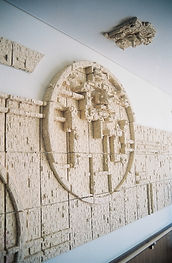
宇都宮市立清原南小学校
希望の星
作品名
1999年制作 高さh2m×幅w7m
過去の未来
宇都宮特別養護老人ホーム
youtube
2000年制作 高さh2m×幅w7m
A Star of Hope
Kiyohara Minami Elementary School, Utsunomiya City
Utsunomiya Private Special Nursing Home for the Elderly
Work Title
Work Title
作品名
時空シリーズ
The Work in its Entirety
Detail of Oribe-style Work

Architectural ceramic wall
陶 壁


時空シリーズ Ⅰ
ギャラリーマロニエ
(初個展、京都)
1993年
youtube
"Time and Space" series 1
Detail
"Time and Space" series 1
Gallery Maronie
(First Solo Exhibition, Kyoto, 1993)

陶彫展
森(織部)シリーズ Ⅰ
2009年
学芸員のコメント

高村宜志 作
Ceramic Sculpture Exhibition
Other Works
Detail of Oribe-style Work
The Work in its Entirety
Tomokazu Ooshita (Chief Curator, Hakodate Museum of Art, Hokkaido)
Forest Series 1
Germination
発 芽
Commentary on the Exhibition
Title: Forest (Oribe) Series — Series I: Germination
"Leap from Tradition – Takashi Takamura's Oribe"
It has only been a few months since the ceramic objects by Takashi Takamura—assemblages in a contemporary form like computer integrated circuits, yet standing tall like the towers of ancient stone ruins, drawing the viewer into a time-induced spell—unveiled their secrets in Kyoto and Utsunomiya. This rising artist, Takamura, is now attempting to challenge the time called tradition that ceramic art itself holds. That is Oribe. Takamura is opening up a completely new horizon in this readily accessible yet profound ceramic technique, which figures throughout ceramic history since the Momoyama period—such as Kenzan, Tokuro, and Rosanjin—have challenged.
The dramatic green glaze tones—pooling in some areas, flowing in others—on a vessel body clad in bold yet deliberate carving. The free and expansive brushwork of the iron-oxide drawings seems to release the tension of that drama. Each piece possesses a level of perfection that should not be achievable in a short span of time.
Certainly, the combination of green glaze and iron-oxide painting could risk the accusation of merely following the overly perfected aesthetic known as "Oribe." However, the creative shaping, which presents a dramatic form that goes beyond mere "distortion" (kuzushi), draws out a rich variety of glaze changes and even seems to spur the vigor of the iron-oxide brushwork. In other words, here, the shaping, glazing, and painting synergistically elevate the inherent drama within "Oribe" to an unprecedented degree.
And what emanates from the tower-like jars, standing tall and clad in this heightened drama, is a sense of ascent. In fact, Takamura says he entrusted these jars with the image of a bird. It feels as if we are seeing the ambition of the artist himself, who is aiming for a high goal, a soaring flight toward that objective.
(Hiroshi Aoki, Chief Curator, Tochigi Prefectural Museum of Fine Arts)


高村宜志作 器


貼線文様(ちょうせんもんよう)
織 部(おりべ)
長石釉(ちょうせきゆう)

粉引(こひき)

Vessel by Takashi Takamura
Chōsen Mon'yō Series
A series that depicts geometric patterns with thin clay lines on the surface of the vessel.
Kohiki ware
Feldspathic glaze


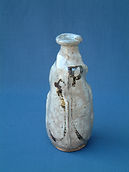
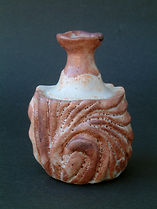


flower vase、sake server
flower vase、sake server.
flower vase、sake server.
flower vase、sake server
flower vase、sake server
Japanese teacup. (Yunomi)
Japanese teacup. (Yunomi)
Japanese teacup. (Yunomi)
Japanese teacup. (Yunomi)
Japanese teacup. (Yunomi)
Japanese teacup. (Yunomi)


